Co-Parenting Therapy California: Divorce Support with Co-parenting Counseling
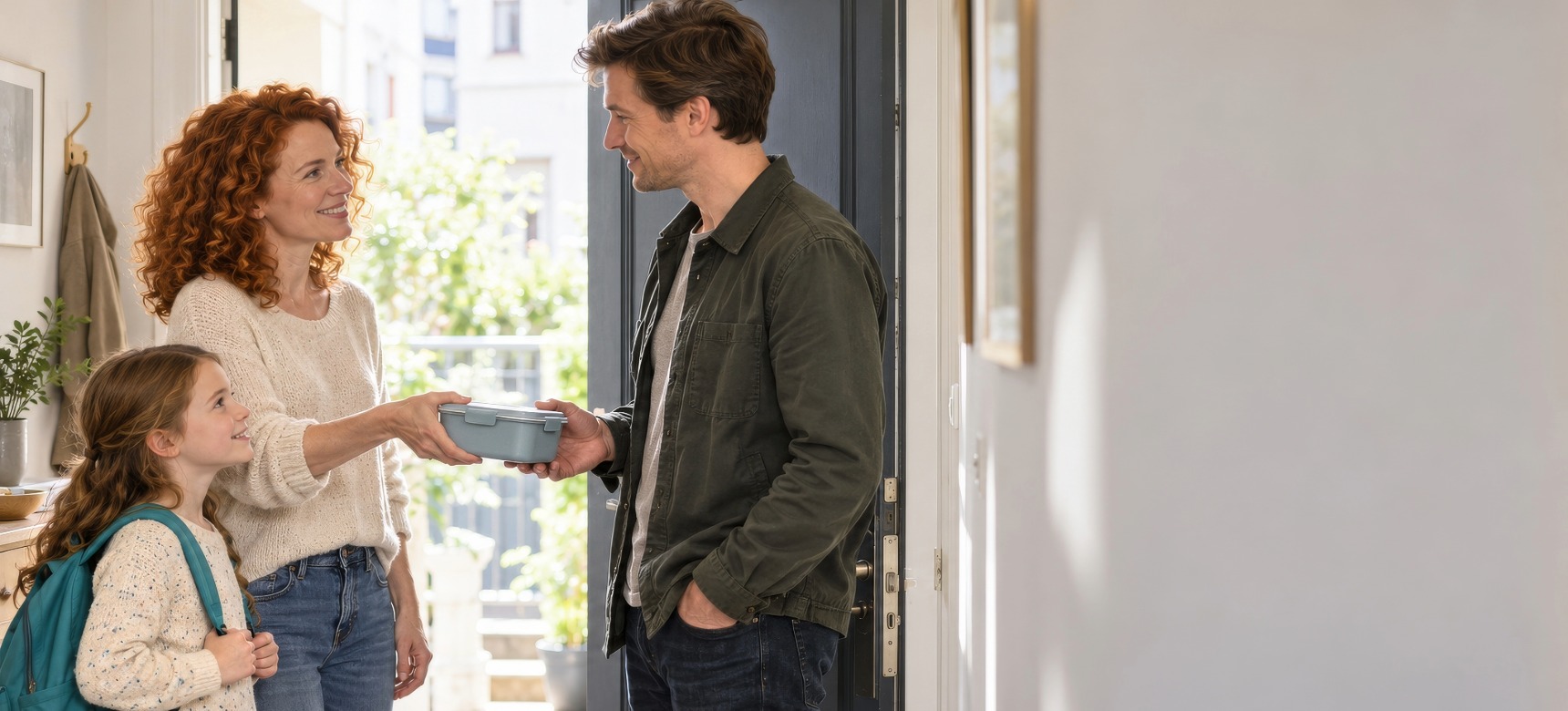
Supporting your kid's mental health through a congenial co-parenting relationship
Parenting can be difficult, even when everyone is under the same roof. When parents are no longer together, co-parenting with the well-being of the kids in the foreground can be difficult, especially if you've been through a messy divorce or separation. There is hope for building a different type of relationship with your ex that focuses on raising healthy children.
Your child needs a stable, safe, loving relationship with each parent, and a harmonious living environment for healthy development. A solid co-parenting relationship is the surest way to ensure that children's needs are met.
Open communication, collaboration, and child focused co-parenting are key. Post-divorce therapy can help parents improve their relationship with their kids while shoring up their emotional well-being. You can reduce family conflict and minimize stress by co-parenting with respect.
You are not a couple anymore, but in many ways you are still required to work as a team. Working with a professional who understands how to help you collaborate for the best interests of your kids can help you get to a place of respectful collaboration.
Parents who want to set aside their personal conflict but find it difficult can benefit from working with a professional who can support both of you in the process. It's all about working together effectively for the welfare of your children. Co-parenting counseling online is a good place to start.
Getting on the Same Page: Your Goal of Parenting
You've both been through some rocky times. However, despite your differences, you can agree on one thing. You both want the best for your kids. That is what co-parenting therapy is all about. Working together with a co-parenting therapist benefits your children.
You want to see your kids thrive and grow into responsible, successful adults. You want to attend all their milestones along the way with love and respect. You want them to have all the good things you can imagine for them.
How to make parenting decisions together by co-parenting with respect.
A healthy co-parenting relationship relies heavily on shared decision making. This is not easy, so it will take time, practice, and patience. In co-parenting counseling online, we will work on being open-minded in considering your child's needs.
Both parent's views and observations will be taken into account, along with a child development perspective in every session. As you work with a co-parenting counselor, it will become easier over time to separate your past relationship with your ex from your new shared task of caring for your child together.

Your child deserves the best.
Providing the best for your child starts with collaboration and respect between parents. When you are aligned in your child-rearing approach, it creates a safe, stable, and supportive environment for your child to develop, learn, and become a healthy adult. Your co-parenting relationship is directly related to your child's well-being.
When you both focus on the well-being of your child and avoid your past transgressions, it is easier to stay on track. Your past relationship is over. Your new relationship as co-parents is for the best interests of your child. All your interactions are now only about how you feel about each other. Your past relationship is off the table.
When you align your goals and parenting styles for your child using child focused co-parenting, you enhance their life and improve the experience of their two-home family dynamic. Bouncing back and forth from household to household to maintain a schedule can create a lot of stress and overwhelm for kids.
When both parents align to maintain a routine, it makes kids feel safe and secure, no matter which house they are in at the moment. Your child will feel secure in the love and care of both parents, despite their location.
Open communication focused on your child's needs is essential. When your goals and philosophies match up, differences in beliefs or strategies become less important, so you can navigate parental challenges together. A united front provides consistency so your child knows what to expect when and where.
Co-parenting counseling can help you get on the same page. With a professional who understands child development and parental styles, you can have productive conversations to clarify goals and expectations.
I will ensure that you both feel heard and understood. A strong co-parenting partnership sets a positive example for your children modeling cooperation and conflict resolution.

Co-parenting is a different kind of relationship.
You don't have to like each other, but it helps if you're willing to cooperate for your child’s wellbeing. What is needed is respect and willingness to look at the other parent's viewpoint, then discuss in a matter-of-fact way how each aspect will impact your child to meet their individual needs. Co-parenting with respect will help your child in a multitude of ways.
When it's difficult to spend time together in a room, co-parenting counseling online creates an alternative. You can work together on raising your child in the best way possible without the need to be in close proximity. This provides a calmer space for child focused co-parenting.
A co-parenting therapist can help you navigate complex child-rearing issues. It creates a space for you to practice seeing situations from several different angles. It helps you keep your child in the forefront of your mind so you can steer clear of old partner issues and emotions. When you hold your child in your heart during these discussions, the tone and thought processes change.
Child development and emotional needs are the priority in every session with a co-parenting counselor.
My goal is to support your child's development by helping their parents create the best environment possible for them to grow up. I am on your child’s side.
When parents communicate respectfully and develop effective conflict-resolution strategies that focus on their child, the child notices the differences. Kids notice everything from when they’re very young.
When parents gain insight into their parenting styles and learn to work as a team, family dynamics shift, transitions become smoother, and kids don't feel torn apart or stuck in the middle. They are free to be children without worrying about how to navigate tension, fear of hurting a parent's feelings, and uncomfortable family dynamics. Your kids deserve to not have to think about these kinds of things.
Working with a co-parenting counselor, child focused co-parenting can help you get to a place where all of this is possible.
Your child’s needs are the focus of co-parenting counseling.
Together, we can build a working relationship based on your kid's needs. Improving your parenting relationship ultimately benefits your kids and how they develop.
Online co-parenting counseling provides some distance between you to make talking about a new kind of teamwork easier. It allows you to get support without the tension of being in the same room together. This creates an environment for co-parenting with respect.
I can help you both understand your roles and responsibilities with the goal of making decisions that align with your shared goal of raising happy, healthy children. I hope to support you as you enhance your parenting skills and become a team that faces challenges together.
Co-parenting counseling isn't a place for competition for time with your child.
Your child deserves a relationship with both parents that fits their evolving needs. All our conversations will revolve around your child's needs. Their best interests come first.

Strengthening bonds with your neurodiverse children while making parenting decisions.
Since I specialize in neurodiversity and all that comes with it, including learning difficulties and other challenges. I am also neurodiverse, so I have a personal perspective on neurodiversity that meshes with my training.
As a neurodiverse co-parenting therapist, I can help you navigate the challenges that arise when raising your neurodiverse child. I understand that each child has different strengths and different needs. We can find creative ways to address those needs and bolster those strengths in a way that fits who your child is.

Co-Parenting Therapy California: As a co-parent, it can be difficult to find a therapist who offers co-parenting support.
Co-parenting therapy isn’t a favored specialty in the mental health field. It can be draining, requiring a lot of attention, de-escalation, and boundary setting. Co-parenting and family therapy are different and require different skill sets.
I offer co-parenting therapy because I love children. I want them to have the best possible situation so they can grow up to be healthy adults.
Online co-parenting counseling in California makes it easier for both parents to attend counseling sessions while maintaining a buffer for child-focused co-parenting.
If you or your children are neurodiverse, it can be helpful to work with a neurodiverse co-parenting therapist.
I help co-parents find solutions through co-parenting counseling in California. My clients live in areas like:
- San Francisco
- Berkley
- Oakland
- Sacramento
- Los Angeles
- The San Fernando Valley
- San Jose
- Long Beach
- Redding
- Roseville
- Long Beach
- SanDiego
- Ventura
- Santa Clarita
- Westlake Village
- Huntington Beach
- Glendale/ Pasadena
- Paridise
FAQs About Co-Parenting Therapy, California
What are the benefits of co-parenting therapy?
Improved Communication: Learning to communicate effectively with the needs of your child as the goal. This includes respectful listening, expressing each child's needs by including what you have noticed, and getting on the same page to meet your child's needs.
Making Decisions Together: With a neutral setting focused on raising a healthy child, you can address complex issues with professional guidance. This keeps the child from being stuck in the middle. Your co-parenting relationship matters. The better it is, the more your child benefits.
Positive Role Models for Children: It is important for child development to have positive role models. When parents think about the kinds of things they want to model to their children, their own behaviors shift in a positive and supportive direction when interacting with others. When children see their parents working as a team despite divorce, they develop a strong sense of self and an understanding of what healthy relationships look like.
Co-Parenting with Respect: You model respect to your children while coming up with solutions that work best for their needs. Positive co-parenting relationships reduce tension and stress for everyone. Each parent brings diverse viewpoints, different solution-building processes, and other ways of thinking into the mix. Children exposed to a variety of ways of doing and being tend to be more well-adjusted and have solid self-esteem.
Consistent Parenting Styles: Different approaches can cause confusion for kids. Co-parenting therapy helps you align parenting styles, so your kids feel comfortable with consistent guidance and support.
How can co-parenting therapy help separated or divorced parents navigate separation and reduce conflict?
Working with a co-parenting counselor helps create and refine a parenting plan, improve communication strategies between two households, and focus on the quality of life for each child with respect.
Therapy for co-parents creates a structured, neutral space where you can work on healthy communication skills to resolve disagreements, reduce conflict around custody arrangements and decision-making, and be a healthy role model for your children. Co-parenting with respect will help you find better solutions together.
When should we consider a co-parenting therapist versus divorce mediation or parenting coordination?
A co-parenting counselor focuses on improving communication skills, approaches for meeting each individual child's needs, child development, and the emotional needs of children.
Divorce mediation and parenting coordination are focused on legal and logistical resolutions, including custody and court order compliance.
Choose a co-parenting therapist if your main goals are addressing your children's development, environmental, emotional, learning styles, and other needs. Funding solutions, improving healthy communication, reducing frustration, and helping two family units adjust to transitions and other changes are primary goals.
Can co-parenting counseling help create and maintain a consistent parenting schedule for two households?
Yes. A co-parenting counselor can support parents in developing a schedule that meets the needs of each child within a court-mandated agreement. You can balance developmental needs with parental availability.
Sessions help address disagreements about routines, school involvement, medical treatment, child therapy, extracurriculars, and supports for implementing the parenting plan. Your child's individual needs will always be at the forefront of all discussions.
Both parents can work together to provide consistency across separate environments and reduce confusion and transition issues for children.
How does co-parenting counseling support the child’s well-being during a separation or divorce?
Co-parenting counseling prioritizes the child. Their best interests are put first by supporting both parents in finding effective co-parenting strategies. Collaborating to prevent children's exposure to parental conflict and getting on the same page around safety, mental health, educational, and developmental concerns.
Therapy can help parents manage transitions between homes, protect children from being caught in the middle of loyalty conflicts, and ensure decisions are centered on what is best for each child, rather than past parental relationship issues.
What role does co-parenting therapy play for blended families and new family dynamics?
In blended families, co-parenting therapy can help integrate step-parents and siblings. There is space to clarify roles and develop scheduling plans that respect existing custody arrangements.
Therapy can reduce friction from differing child-rearing styles and expectations. It creates a safe space to improve healthy communication between biological and step-parents, with each child's best interest in mind. It builds support for children through changes in thinking and family structure, and by creating solutions firmly anchored in the well-being of the children.
Is co-parenting therapy effective for high-conflict parents or those with ongoing custody disputes?
Joint parenting therapy can be effective for high-conflict parents by providing a neutral space with clear boundaries and goals. You can practice communication strategies, reduce escalation, and focus on specific goals with someone there to support healthy solutions.
For severe legal disputes, therapy can complement mediation or parenting coordination and is often required by the court to help improve parental interactions and reduce negative impacts on children.
How long does co-parenting therapy typically take to improve communication and reduce resentment?
The timeline varies depending on the level of conflict, complexity of custody arrangements, and parental commitment to change based on their commitment to the well-being of the children. Neurodiversity adds complexity and it can take longer to figure out what each child needs.
Some families see improvements within just a few months, while others require more time. When one or both parents struggle to cooperate due to deep resentment, anger, or complicated decision-making, it can take much longer to reach a solution.
What is different about co-parenting a neurodiverse child with ADHD or autism with a neurodiverse co-parenting therapist?
If you've met one neurodiverse child, you've met one neurodiverse child. Each child has individualized needs that need to be met with creative solutions. It is important to get input from each parent regarding what they have noticed about the child in their environment.
The school environment is another important environment to keep in mind. Child focused co-parenting is essential in navigating school supports and accommodations so your child can learn. When both parents work as a team, schools respond more quickly to meet the child's needs.
A neurodiverse co-parenting therapist can help you support your child through transitions from house to house and from each home to school.
What are the benefits of co-parenting counseling online?
The structured environment and the elimination of the need for both parents to be in the same room make it easier to collaborate, communicate, and resolve differences around child-rearing. The distance helps you stay focused on your child's needs with emotional distance from your past relationship while making parenting decisions.
You can meet from anywhere where you have internet access. You don't have the stress of traveling, so it is easier to fit counseling into your schedule. You can meet during your lunch break when you are in a work-related frame of mind. You can meet from anywhere where you have internet access.
Meeting online can make it easier to find someone who specializes in your child's needs, such as a neurodiverse co-parenting therapist.
Can one parent attend co-parenting therapy alone, and will it still help the child-rearing relationship?
Yes, it is possible to find workable solutions with only one parent present. When one parent can attend therapy, they can learn how to be a co-parent and communicate differently with the other parent to better navigate conflict.
The focus is on how to protect the well-being of each child. Individual sessions can focus on managing frustration, healthy communication with children, and improving co-parenting interactions to reduce friction and stress while modeling respect for the benefit of the children.
Depending on the specific situation, therapy for one parent can comply with court-mandated arrangements and create a better environment for collaboration despite separation. When one parent starts therapy, the other often follows suit.
The overall goal is always to create a more stable environment for children.